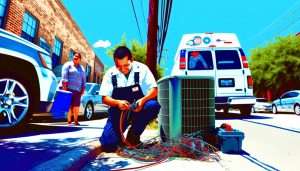
7 Signs Your HVAC System Needs Maintenance from Top HVAC Companies in Dallas-Fort Worth
If you’re in the Dallas-Fort Worth area, watch for these seven signs that your HVAC system needs maintenance. First, notice any unexpected spikes in your energy bills, which could indicate inefficiencies in the system. Second, check for inconsistent heating or cooling throughout your home, as uneven temperatures often signal airflow or thermostat issues. Listen for unusual noises like banging, buzzing, or rattling—these sounds can indicate loose or failing components.
Frequent cycling, where the system turns on and off too often, may point to a malfunctioning thermostat or a clogged filter. Reduced air quality, such as increased dust or lingering odors, could mean it’s time for a filter change or duct cleaning. Water leaks near your HVAC unit can indicate drainage issues, while visible signs of wear, like rust or corrosion, may suggest long-term damage.
If you notice any of these warning signs, it’s essential to contact HVAC companies for a professional inspection. Regular maintenance ensures your system runs efficiently, extends its lifespan, and keeps your home comfortable year-round. Partnering with reliable HVAC companies will help prevent costly breakdowns and improve overall energy efficiency.
Increased Energy Bills
Increased energy bills often signal that your HVAC system needs attention. When you notice a significant spike in your utility costs, it’s essential to investigate the cause. Up to 70% of your home’s total energy expenses are tied to heating and cooling, so even a minor inefficiency can lead to big increases in your bills.
Several factors might be at play. A poorly maintained HVAC system, clogged air filters, or a malfunctioning thermostat can all contribute to higher energy consumption. Additionally, leaks in the ductwork may cause your system to work overtime, pushing energy costs even higher. Regular maintenance can enhance energy efficiency, reducing the strain on your HVAC system and ultimately lowering your bills.
To detect these issues, monitor your energy bills and compare them to previous months. Look for patterns—are the increases seasonal or persistent? If you’ve changed your usage habits and still see a rise in costs, it’s time to take action.
Regular maintenance, like annual tune-ups and cleaning, can prevent many of these problems. Replacing old components or investing in energy-efficient systems can also help keep your HVAC running smoothly and your energy bills manageable. Don’t wait for the bills to climb—address these signs promptly.
Inconsistent Heating or Cooling

Experiencing inconsistent heating or cooling in your home can be frustrating and uncomfortable. If one room feels significantly hotter or colder than others, it may indicate issues like clogged air filters, leaky air ducts, or poor insulation. Your thermostat could also be at fault—if it’s not accurately registering temperatures, it may cause your HVAC system to shut off prematurely or run longer than necessary, leading to uneven temperatures.
Poorly insulated ducts, particularly in areas like the attic, can allow cooled or heated air to escape, reducing overall efficiency. If your HVAC system is over 15 years old, it may struggle to maintain its cooling and heating capacity, leading to inconsistent performance. Blocked vents from furniture or other obstructions can also restrict airflow, making the issue worse.
Short cycling—when the unit turns off shortly after starting—may be caused by dirty filters, malfunctioning thermostats, or an improperly sized system. Even minor issues can lead to weak airflow and uncomfortable temperature fluctuations throughout your home.
Regular HVAC services are essential for identifying and fixing these problems before they escalate. Routine maintenance helps keep your system running efficiently, improves energy savings, and ensures year-round comfort. Don’t ignore these warning signs—addressing them early can save you time and money while extending the lifespan of your HVAC system.
Unusual Noises
When your HVAC system starts making unusual noises, it’s a clear sign that something is wrong. If you’re dealing with HVAC, recognizing these warning sounds early can prevent costly repairs and system failures.
Banging noises, for example, often indicate a loose part inside your AC unit, such as a dislodged fan blade or a loose nut. Ignoring these issues can lead to further damage, so it’s crucial to contact a professional HVAC in Dallas immediately.
Clicking sounds can be normal when the unit cycles on and off, but rapid or continuous clicking is a warning sign. This could indicate a failing thermostat or debris stuck inside the condenser, obstructing fan blades. If the clicking persists, turn off your system and seek professional help.
Buzzing noises typically signal an electrical problem, which can become a fire hazard if left unchecked. Loose components or electrical issues within the system might be the cause, and delaying repairs can lead to serious malfunctions.
If you hear squealing or screeching, it often points to a faulty AC belt or dangerously high pressure inside the compressor. In such cases, shutting off the unit and calling a professional immediately is the safest course of action.
Unusual noises in your HVAC should never be ignored, as they often indicate developing issues that can result in expensive repairs. Addressing these problems early with professional maintenance ensures your system remains efficient and your home stays comfortable year-round.
Frequent Cycling
If your HVAC system is frequently cycling on and off, it could indicate underlying issues that need attention.
This behavior can stem from problems like dirty air filters or electrical issues, impacting your system’s efficiency and lifespan.
Let’s explore the causes, consequences, and solutions to help keep your HVAC running smoothly.
Causes of Short Cycling
Short cycling, or frequent cycling, can stem from several causes that disrupt your HVAC system’s efficiency. One common cause is clogged or dirty components. When your air filters are dirty, they restrict airflow, leading to overheating and premature shutdowns. This not only raises your energy bills but also tricks the system into thinking it needs to cool down more frequently.
Regular filter maintenance is essential, especially in dusty environments or homes with pets.
Another culprit is improper system sizing. If your unit is oversized, it cools the area too quickly, causing it to shut down prematurely. Conversely, an undersized unit struggles to meet demand, leading to constant cycling. Proper sizing is vital and should be based on a thorough home evaluation.
Thermostat and electrical issues can also contribute to short cycling. Malfunctioning thermostats can give inaccurate readings, and if they’re poorly placed, they can cause further inaccuracies.
Finally, refrigerant and coil problems, like low refrigerant levels or frozen coils, can strain your system and lead to short cycling. Regular maintenance helps to prevent these issues and keep your HVAC running smoothly.
Consequences of Frequent Cycling
Frequent cycling of your HVAC system can lead to several serious consequences that affect both its performance and your comfort at home.
First, expect increased energy consumption. Each time your system starts and stops, it uses extra power, which can skyrocket your energy bills and expand your carbon footprint. This inefficient cycling can worsen existing issues, like clogged filters, leading to even higher costs.
Additionally, frequent cycling reduces the system’s overall efficiency. It prevents your HVAC from completing full heating or cooling cycles, causing premature burnout and breakdowns that often require costly repairs.
The constant strain on components, particularly the compressor, can lead to inconsistent temperatures and humidity levels, leaving you uncomfortable.
Moreover, ignoring this issue can result in serious damage. Short cycling may lead to compressor failure, refrigerant leaks, or electrical problems, exacerbating any underlying issues.
Blocked vents or poor ductwork can create pressure imbalances, further stressing your system.
Ultimately, frequent cycling can greatly impact your system’s longevity, comfort, and financial well-being, making it essential to address the root causes promptly.
Solutions to Address Issue
Addressing the issue of frequent cycling in your HVAC system is essential for maintaining comfort and efficiency in your home. Start by checking your thermostat settings to confirm they’re accurate and in the correct mode. If the system still cycles often, replace the batteries to rule out power-related problems. If issues persist, consider recalibrating the thermostat or calling a professional for help.
Next, resolve any airflow problems. Regularly change air filters to prevent blockages and promote ideal airflow. Make sure there are no obstructions around air vents or registers, as furniture and debris can impede airflow.
If you notice low airflow, it might indicate a faulty fan or other issues that need addressing.
Don’t overlook electrical problems. Inspect all connections for loose wires and test capacitors with a multimeter. Verify circuit breakers aren’t tripped, as this can affect your system’s power supply.
Finally, schedule routine maintenance to identify potential issues early on. Consider upgrading old components and invest in smart thermostats to enhance energy usage.
Regular professional inspections can help detect wear and tear, keeping your HVAC system running smoothly.
Reduced Air Quality

Ignoring the signs of reduced air quality in your home can lead to serious health issues. If your air filters are clogged with dust and other particles, your HVAC system can’t effectively capture contaminants. This not only compromises your indoor air quality but also forces your system to work harder, driving up energy bills.
Make certain to replace or clean your filters regularly, and consider high-efficiency particulate air (HEPA) filters for even better filtration.
In addition to filtration issues, poorly maintained HVAC systems can’t regulate humidity levels. Excess moisture can foster mold and mildew growth, releasing harmful spores into the air. This creates an unhealthy environment, especially for those with allergies or respiratory conditions.
You might also notice that your home feels stale, despite regular cleaning. If dust accumulates quickly or if you see visible dust and pollutants, your system’s poor ventilation is likely to blame.
Reduced airflow can result from leaking ducts or blocked outdoor condensers, leading to increased indoor pollutants. To guarantee a healthy living space, prioritize regular HVAC maintenance to improve air quality and maintain fresh airflow throughout your home.
Water Leaks
If you notice water pooling around your HVAC unit or damp spots on your walls, it’s vital to address these leaks quickly.
Common causes include clogged drain lines and malfunctioning components, which can lead to serious consequences if ignored.
Let’s explore how these issues can impact your home and why prompt repair is essential.
Common Causes of Leaks
Water leaks in HVAC systems can often be traced back to a few common culprits. One major issue is a clogged condensate drain line. Over time, algae, dirt, and debris can build up, preventing water from draining properly from the overflow pan.
If you suspect a clog, you can try using a wet/dry vac or a specialized vacuum to clear it, but sometimes, you’ll need professional help.
Another frequent cause is a damaged or rusted condensate drain pan, particularly in older units. If you notice cracks or dents, it might be time to replace the pan to avoid further leaks.
Issues with your evaporator coils can also lead to leaks. If airflow is restricted, or if the coils are dirty or low on refrigerant, they may freeze.
When the ice melts, it can overflow the drain pan, causing leaks.
Lastly, other system malfunctions, like a broken condensate pump or blocked drain lines, can result in water leaks as well.
Regular maintenance and monitoring can help you catch these issues before they escalate.
Consequences of Ignoring Leaks
Neglecting water leaks in your HVAC system can lead to serious consequences that affect both your home and health. Over time, water can cause structural damage, making wood, drywall, and other materials swell, warp, and rot. In extreme cases, this can even lead to floors and walls collapsing, resulting in costly repairs and extensive demolition work.
Ignoring leaks also poses significant health risks. Mold spores thrive in damp environments, leading to respiratory issues like asthma and allergies. Prolonged exposure can worsen your health, potentially causing bronchitis or even more severe conditions. Standing water may attract insects, which can carry diseases such as West Nile virus.
Moreover, leaks can damage your HVAC equipment, shortening its lifespan and leading to premature replacements. Cumulative damage may result in frequent repairs, compounding your expenses. Water can ruin flooring, walls, and ceilings, leaving unsightly stains and increased humidity that make your home uncomfortable.
In short, if you ignore water leaks, you risk your home’s integrity, your health, and your finances. Addressing these issues promptly guarantees a safe and comfortable living environment.
Visual Issues

When it comes to HVAC maintenance, visual issues can signal underlying problems that need your attention. Start by looking for leaks or moisture around your HVAC unit. If you notice water pooling, leaks in the refrigerant line, or condensation issues, it’s time to investigate further. Clogged or damaged drain tubes can also create significant problems.
Next, check for visible damage. Rust or corrosion, frayed wires, or any signs of wear and tear on components can indicate that your system is struggling. Dented parts or loose connections could lead to inefficiencies.
Don’t overlook airflow and ventilation. Dust and debris buildup in vents or blocked air ducts can restrict airflow, leading to uneven temperatures. Clogged air filters and dirty condenser coils can exacerbate these issues.
Lastly, watch for signs of poor system performance. If you’re experiencing inconsistent temperatures, thermostat malfunctions, excess humidity, or bad odors, your HVAC system needs attention. Liquid pooling around the unit is another critical warning sign.
Address these visual issues promptly to guarantee your HVAC system operates efficiently and effectively.
Frequently Asked Questions
How Often Should I Schedule HVAC Maintenance?
You should schedule HVAC maintenance at least once a year, ideally twice. Spring’s for air conditioning prep, and fall’s for heating. This keeps your system efficient and prevents breakdowns during extreme weather.
Can I Perform Maintenance Tasks Myself?
Yes, you can perform some maintenance tasks yourself, like changing air filters and cleaning vents. Just be cautious with more complex tasks, as they often require professional expertise to guarantee safety and proper functioning.
What Are the Signs of an Aging HVAC System?
You’ll notice signs of an aging HVAC system through inconsistent temperatures, increased energy bills, strange noises, and poor air quality. If you encounter these issues, it’s time to contemplate maintenance or replacement options.
How Do I Choose a Reliable HVAC Technician?
To choose a reliable HVAC technician, check their qualifications and experience. Ask for references, verify licenses, and guarantee they have a solid track record. Don’t hesitate to ask about their problem-solving skills and customer service approach.
Are There Energy-Efficient Upgrades for My HVAC System?
Yes, you can upgrade to high-efficiency HVAC systems, smart thermostats, or energy recovery ventilation. These options reduce energy consumption and improve comfort, ensuring your home’s heating and cooling work efficiently while saving you money.
Conclusion
If you’re noticing any of these signs, it’s time to give your HVAC system some attention. Ignoring these issues can lead to bigger problems down the line and higher energy bills. Regular maintenance not only keeps your system running smoothly but also guarantees your comfort throughout the year. Don’t wait until it’s too late—reach out to a local HVAC professional in the Dallas-Fort Worth area to schedule a check-up and keep your system in top shape!
5 Powerful Tips to Master HVAC System Repair and Keep It Running Smoothly – Read this article for expert insights!
Visit these pages to learn more about HVAC Maintenance through Air Repair HVAC:
Socials:
Air Repair HVAC Facebook
Air Repair HVAC Twitter
Air Repair HVAC Youtube
Air Repair HVAC Pinterest