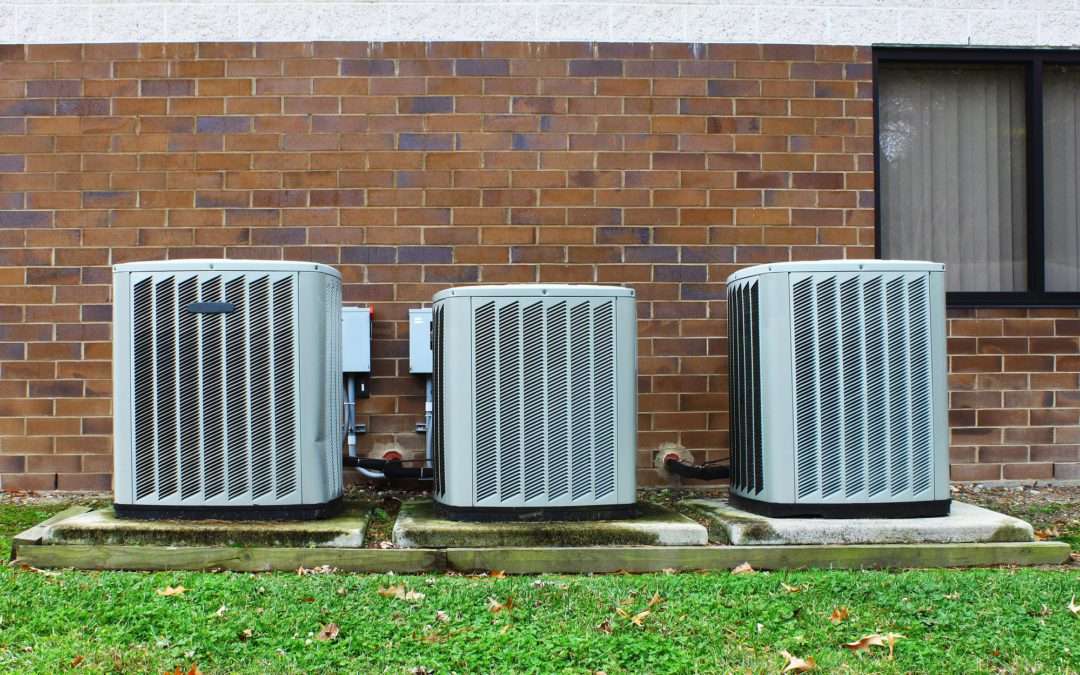
HVAC in Dallas: Shielding Your Outdoor Unit from Extreme Cold
To safeguard your HVAC in Dallas during extreme cold snaps, it’s essential to take proactive measures that ensure efficiency and longevity. Start by clearing vegetation and debris around your outdoor unit, maintaining at least two feet of clearance for proper airflow. This helps prevent blockages that could restrict ventilation and reduce heating performance.
Using breathable covers can shield the unit from ice and snow while ensuring adequate ventilation. However, avoid fully enclosing the unit, as trapped moisture can lead to internal damage. Regularly inspect and clear snow or ice buildup from intake and exhaust vents to prevent system blockages that could force your HVAC to work harder than necessary.
Keeping air filters clean is another critical step, as dirty filters can hinder airflow and reduce overall efficiency. Conduct routine inspections of your HVAC system, especially before and after extreme weather events, to catch potential issues early. Additionally, installing protective barriers around your unit can help shield it from wind-blown snow, ice, and falling debris without restricting airflow.
By taking these preventive measures, you can ensure your HVAC in Dallas runs efficiently when you need it most. If you’re unsure about the best protection methods, scheduling a professional HVAC inspection before winter storms hit can help detect potential vulnerabilities and extend your system’s lifespan.
Clearing Vegetation and Debris
Maintaining a clear area around your outdoor HVAC unit is vital for its efficiency and longevity. To achieve this, keep plants at least two feet away from the unit. This distance helps prevent debris accumulation that can hinder its performance. Regularly trim any nearby plants to minimize fallen leaves and branches. Be cautious about planting shade trees, especially those that drop a lot of debris, like locust trees.
When mowing your lawn, verify that grass clippings are mulched or blown away from the unit to avoid clogs. It’s also important to remove weeds and vines that might grow close to or into the unit, as they can obstruct airflow and lead to efficiency issues. After windstorms or gusty days, inspect your HVAC unit for any debris that may have settled there. Use a broom or a soft-brush attachment to clear away leaves, dirt, and small branches.
Additionally, check for any ice formation and gently remove it to prevent damage. Cleaning an outdoor unit can also help ensure that your HVAC system operates efficiently during extreme weather conditions. Finally, make certain the area around the unit is free from standing water to avoid freezing issues, especially during extreme cold snaps.
Protecting Outdoor Components
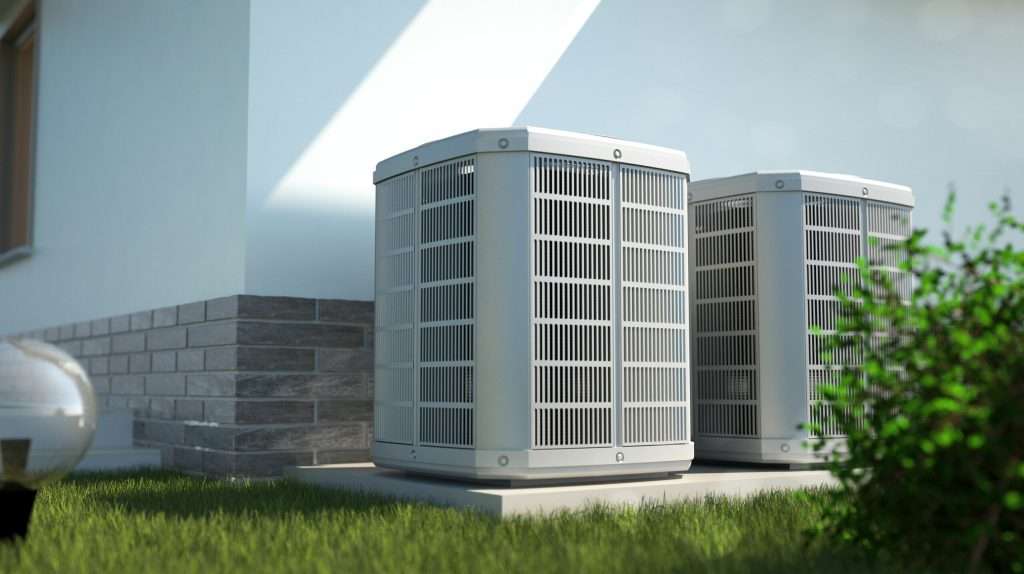
Since outdoor HVAC units are constantly exposed to the elements, protecting them from snow, ice, and structural damage is essential for maintaining performance, especially in winter. Start by ensuring at least 18 inches of clearance around your unit to prevent snow and ice buildup, which can lead to serious mechanical issues.
Avoid using sharp objects to remove ice, as they can damage the coils and fins. Instead, use a breathable cover to shield your unit while still allowing proper ventilation. Adding wind barriers, such as fencing or shrubs, can protect the system from strong gusts and flying debris, reducing the risk of physical damage. If using a protective cover, secure it with buckle straps to prevent it from coming loose during high winds.
After windstorms or winter storms, inspect your unit for debris buildup and realign any components that may have shifted. Placing plywood on top of the unit during severe weather can provide an extra layer of protection against falling ice or tree limbs.
Ensuring proper drainage is another critical step—keeping the area around your HVAC unit free of standing water prevents freezing, which can damage key components. Regularly clearing blockages will support long-term efficiency and extend your system’s lifespan.
For professional maintenance and winterization, working with an experienced HVAC company is the best way to protect your system. If you’re in North Texas, HVAC in Dallas professionals can provide expert inspections, tune-ups, and winter protection services to keep your unit operating at peak performance during extreme cold.
Ensuring Clear Intake and Exhaust
Clear intake and exhaust vents are essential for your HVAC unit’s efficiency and safety. During extreme cold snaps, snow and ice can quickly block these vents, leading to airflow issues.
Regularly check and clear any snow, ice, leaves, or debris that may obstruct the intake vents. Make it a habit to inspect these areas for damage or blockage, and always adhere to the manufacturer’s guidelines for maintenance.
For exhaust vents, guarantee you maintain the proper minimum distances—12 inches from gravity-fed air intakes and 36 inches above forced-air intakes.
Position these vents at least 12 inches away from any doors or windows to avoid cross-contamination. The bottom of your exhaust vent should be at least 12 inches above the ground to prevent obstructions.
Maintaining HVAC Efficiency
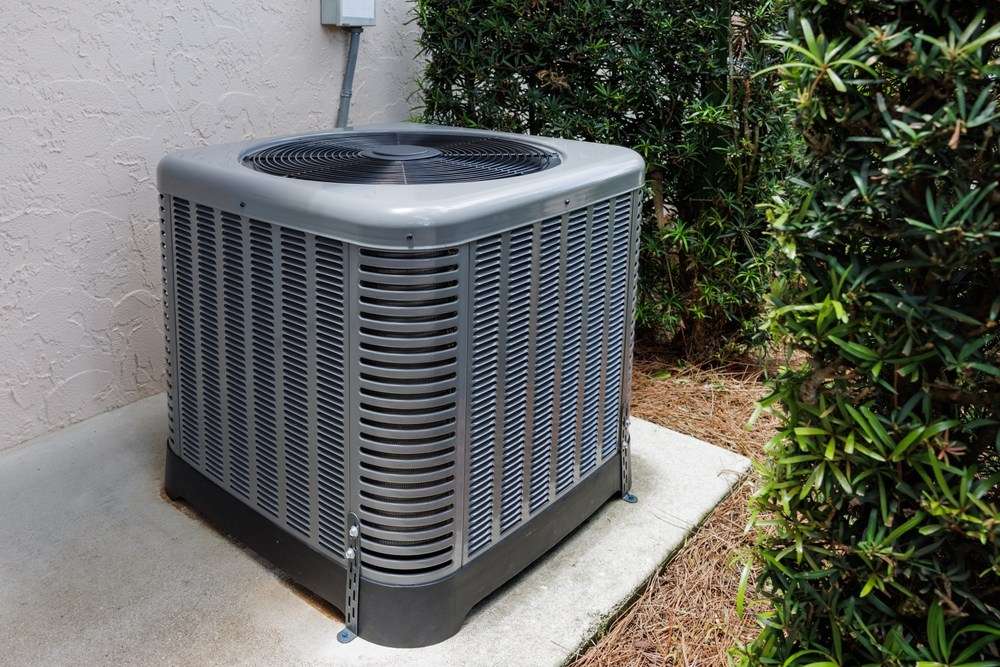
Efficiency in your HVAC system isn’t just a luxury—it’s essential for comfort, energy savings, and system longevity. To maintain peak performance, start by keeping air filters clean and replacing them every 1-3 months to ensure proper airflow and efficiency. Clogged filters force your system to work harder, leading to higher energy bills and potential breakdowns.
Regular inspections and cleaning of your condenser and evaporator coils are also crucial. Clean coils enhance heat transfer, optimizing cooling and heating performance. Additionally, maintaining your compressor and motor starters with routine checkups ensures electrical connections are intact and moving parts are properly lubricated.
Checking refrigerant levels is another key factor—incorrect levels can reduce cooling capacity and strain your system. For larger HVAC systems, oil analysis can detect contamination or wear, preventing costly repairs down the line.
To further optimize efficiency, use programmable or smart thermostats to maintain a consistent temperature and avoid drastic fluctuations that overwork your system. Testing your thermostat regularly ensures accurate readings and responsiveness.
Lastly, inspect and seal your ductwork to prevent energy loss, as leaky ducts can lead to uneven heating and cooling. Keeping vents open only in used spaces helps maintain balanced airflow and prevents unnecessary energy waste.
For comprehensive maintenance and peak performance, partnering with professional HVAC services is the best way to keep your system running smoothly. If you’re looking for expert HVAC in Dallas, scheduling regular checkups and preventive maintenance can extend your system’s lifespan while improving indoor comfort and efficiency.
Safety Precautions and Regular Maintenance
Maintaining HVAC efficiency goes hand in hand with guaranteeing safety precautions and regular maintenance. Start by keeping exhaust and intake vents clear of snow and ice to prevent carbon monoxide buildup and maintain proper airflow. After each snowfall, check for blockages and guarantee ventilation remains ideal.
Next, prevent damage from icicles and branches. Clear any hanging icicles and trim tree limbs near your HVAC unit. Consider installing protective barriers to block wind-blown snow and falling debris. Also, regularly inspect gutters for leaks that could direct water toward the unit.
To avoid carbon monoxide risks, test detectors regularly and keep exhaust pipes unobstructed. Remember, unattended space heaters pose fire hazards, so use them cautiously.
Prepare an emergency kit with essentials like portable heaters, filters, and blankets. Always have a backup heat source ready in case your furnace fails.
For regular maintenance, replace furnace filters every 1-3 months, and schedule professional inspections annually to check for damage or obstructions. Protect your outdoor unit with breathable covers during severe weather and guarantee adequate airflow around the system.
Regular checks will help you maintain efficiency while prioritizing safety.
Frequently Asked Questions
Can I Use a Heater to Warm My Outdoor HVAC Unit?
You shouldn’t use a heater to warm your outdoor HVAC unit. It can cause damage and create hazards. Instead, focus on clearing snow, inspecting for blockages, and maintaining the unit for better efficiency.
What Should I Do if My HVAC Unit Freezes?
If your HVAC unit freezes, turn it off immediately. Check for obstructions, make certain air filters are clean, and allow natural thawing. Avoid using sharp tools, and consider professional help if the issue persists.
How Can I Tell if My HVAC Unit Is Damaged?
You can tell if your HVAC unit’s damaged by listening for unusual noises, checking for visible issues like frayed wires, and monitoring performance changes like uneven temperatures or increased energy bills. Don’t ignore these signs!
Is It Safe to Cover My HVAC Unit With Plastic?
Covering your HVAC unit with plastic isn’t safe. It traps moisture, restricts airflow, and can cause damage. Instead, consider breathable or mesh covers that protect without compromising your unit’s efficiency and longevity.
How Can I Prevent Ice Buildup on My HVAC Unit?
To prevent ice buildup on your HVAC unit, regularly check refrigerant levels, change air filters, and keep coils clean. Guarantee clear airflow by removing obstructions and scheduling routine maintenance with a professional technician.
Conclusion
By taking these steps to protect your outdoor HVAC unit during extreme cold snaps, you’ll guarantee it runs efficiently and lasts longer. Clear away any vegetation and debris, safeguard outdoor components, and keep intake and exhaust areas unobstructed. Regular maintenance is essential, so don’t forget to schedule those check-ups. With a little effort, you can help your system weather the storm and stay comfortable in your home when the temperatures drop. Stay warm!
HVAC Maintenance Guide: Expert Tips from Top Dallas-Fort Worth Companies – Read this article.
Visit these pages to learn more about HVAC Maintenance through Air Repair HVAC:
Socials:
Air Repair HVAC Facebook
Air Repair HVAC Twitter
Air Repair HVAC Youtube
Air Repair HVAC Pinterest